Blue Group

Blue Group

Getting Ready for School

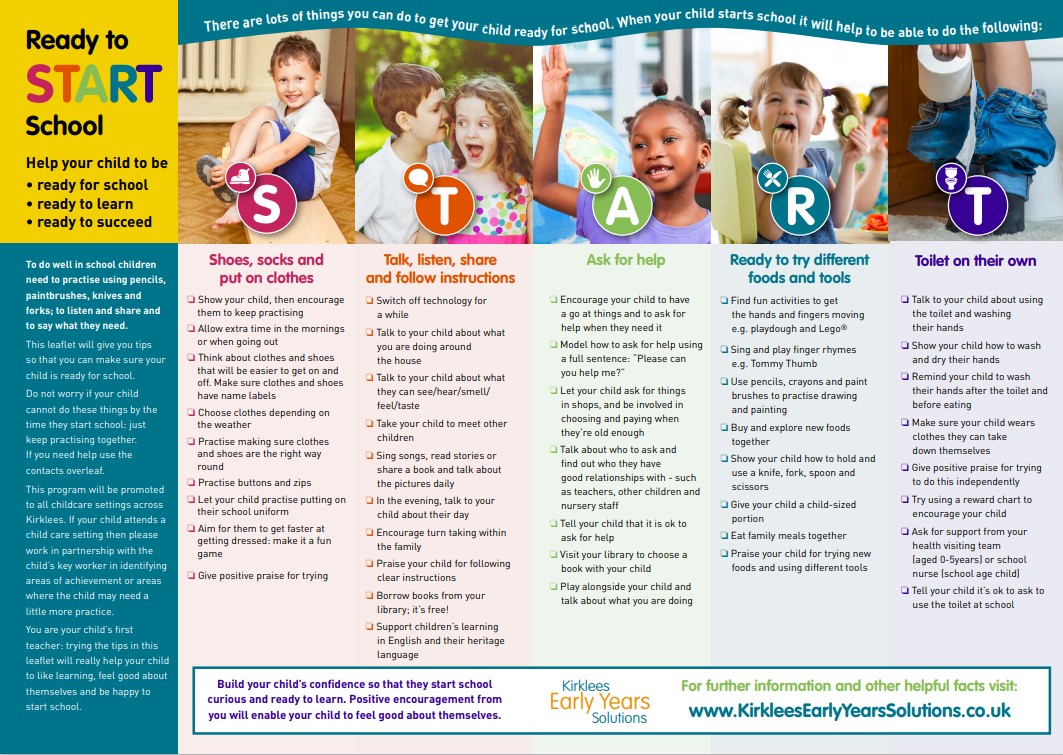
In Blue group it is important that we get the children ready to start school, there are lots of skills to consider including being able to put on their own clothes, follow instructions, try different foods and be able to use the toilet without help. We do this with support, guidance and positive encouragement. Your child's reception teacher will usually visit in the term before September, we will let you know if they have arranged a visit.

Please click on the picture to see the Kirklees Council parent's guide to help get your child ready for school.
Routine

A child's routine is as important at nursery as it is a home. Routines allow children to feel comfortable and settled whilst in the nursery environment as they know what is happening next. Whilst routines are in place, they are flexible. If children are engaged in an activity and are keen to continue, sessions can be extended for further learning and enjoyment . The EYFS also recommends having routines in place as it is important for the children’s emotional wellbeing.

Click on the picture to see Blue Group Routine.
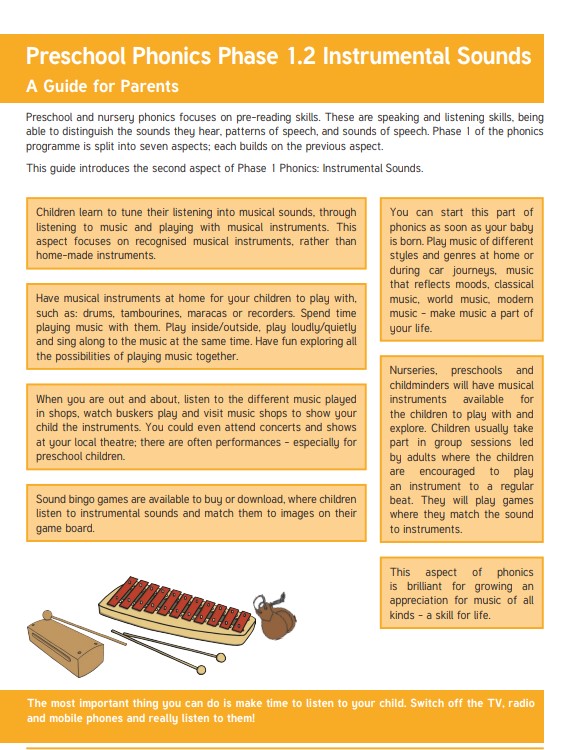
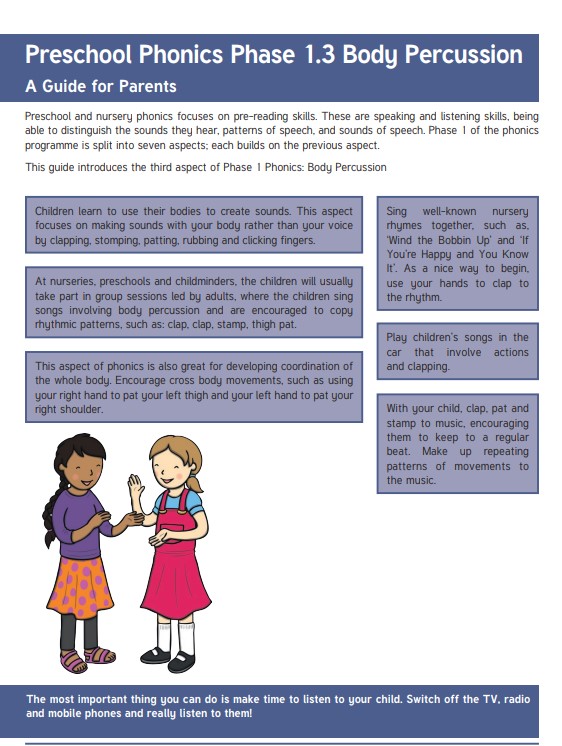
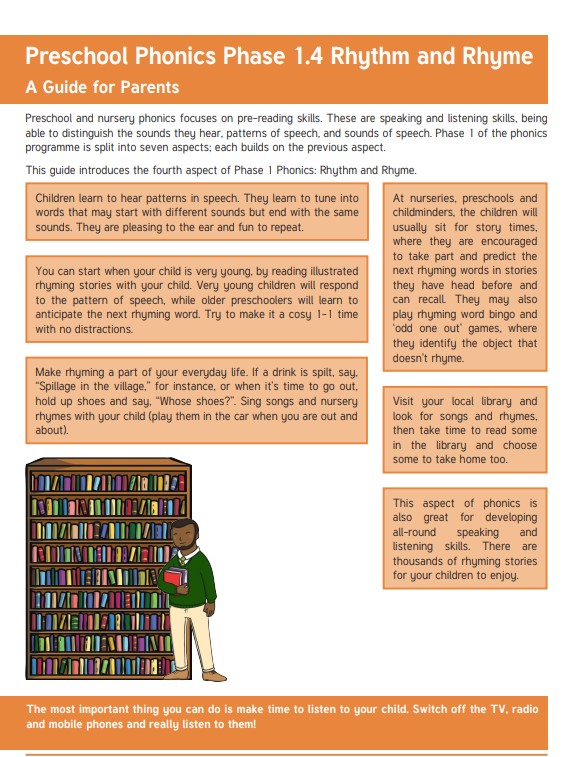
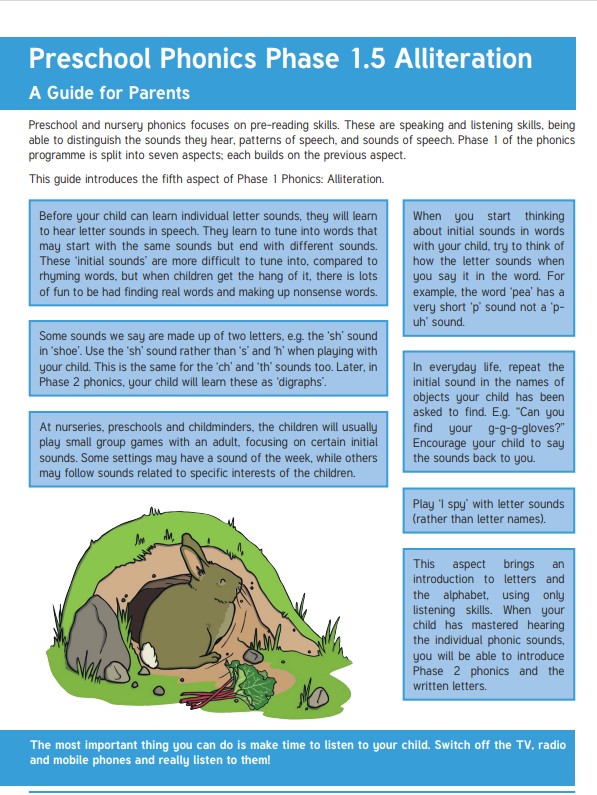
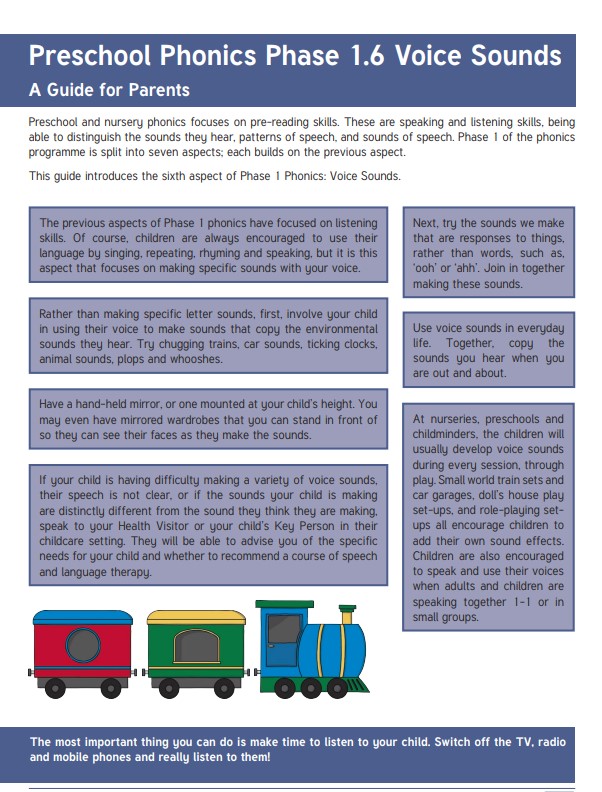
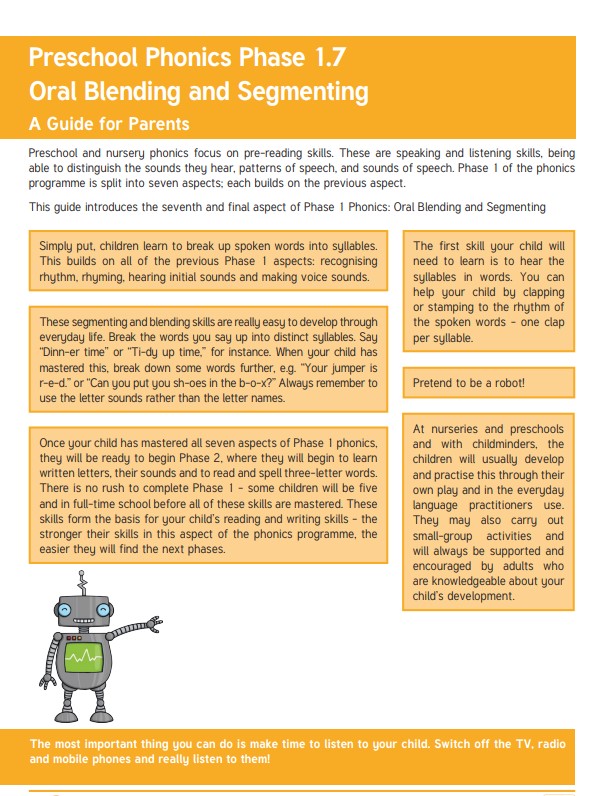
Phonics - Letters and Sounds - Phase 1

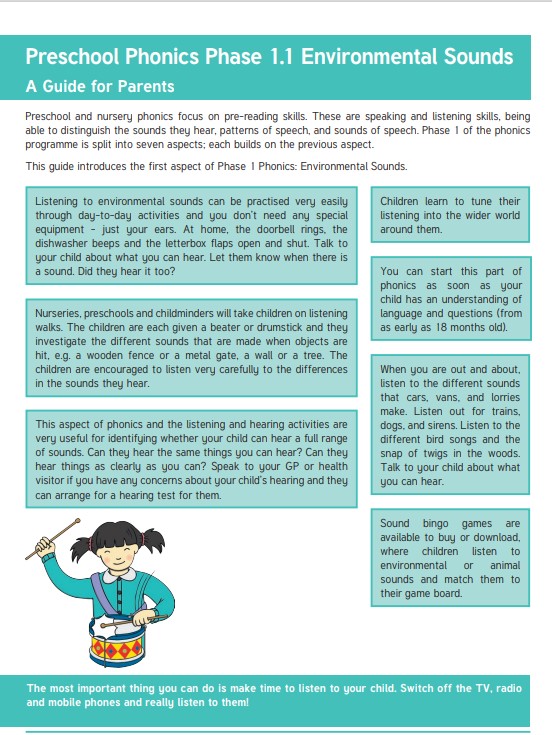
Starting in Yellow Group and continuing in Blue Group we use the government teaching programme 'Letters and Sounds'. The programme is designed to teach children how the alphabet works for reading and spelling. We have lots of fun activities such as 'bug in the rug' and 'silly soup' making learning through play fun and effective.

Go to the 'Our Learning' section to see the parents guide to the Letters and Sounds Programme.

Applying for a School Place

It's time to apply for a school Place! The deadline is January each year for the term starting September.

Please click on the picture to see the Kirklees information on applying for a Primary School Place.
Yellow Group

Yellow Group

Phonics - Letters and Sounds - Phase 1

Starting in Yellow Group and continuing in Blue Group we use the government teaching programme 'Letters and Sounds'. The programme is designed to teach children how the alphabet works for reading and spelling. We have lots of fun activities such as 'bug in the rug' and 'silly soup' making learning through play fun and effective.

Go to the 'Our Learning' section to see the parents guide to the Letters and Sounds Programme.

Routine

A child's routine is as important at nursery as it is a home. Routines allow children to feel comfortable and settled whilst in the nursery environment as they know what is happening next. Whilst routines are in place, they are flexible. If children are engaged in an activity and are keen to continue, sessions can be extended for further learning and enjoyment. The EYFS also recommends having routines in place as it is important for the children’s emotional wellbeing.

Click on the picture to see Yellow Group Routine.

Potty Training Advice

All children are ready for Potty Training at different times. The usual age for success is approximately two and a half years. We ask that you start potty training when your child is at home and then we will continue the process. From experience we would advise that you do not use pull ups, they feel like a nappy and the child becomes confused. Bring your child in pants, don't use pull-ups or nappies for the journey. Pack plenty of spare pants and bottoms at first and be prepared for accidents. (There may be many) Let us know in the morning that you have started potty training and we let you know at pick up how it has gone!

Click the picture to go to the NHS link on 'How to potty train' Good Luck!

Baby Room

Baby Room

Nursery Guide to Weaning

Each parent and child will approach weaning differently, but from many years of experience our advise is as follows. Begin by using soft spoons and plastic bowls. It is recommended that babies begin weaning at around 6 months unless instructed otherwise by the health visitor. Weening should be done alongside the children still having their normal infant feeds.
Many parents choose baby led weening, but it is also important to introduce a spoon to get the children used to this.
Babies begin with puree of simply fruit and vegetables cooked and blended; Babies will begin with small amounts until they get used to the textures. Once used to some of the texture the babies can then be given blended dinners to a smooth paste. These should not replace milk feeds (breast or formula)
At around 10 months some parents will begin to leave lumps in the food to give it more texture and help the babies with their gag reflexes. This will help them learn how to move food around the mouth, chew, and swallow.
By 12 months babies should be ready to have chopped up food as they should have the ability to chew and swallow food in small pieces. It’s also important to understand that all children are different, and some may take longer than others to meet these weening stages.
Breast milk and infant milk is important to a child up until the age of 12 months after this if ready the child can be introduced to cow’s milk. It’s not recommended that a baby under 12 months has cow’s milk.

Please click on the picture to see the NHS Guide to Weaning video.

Routine

A child's routine is as important at nursery as it is a home. Routines allow children to feel comfortable and settled whilst in the nursery environment as they know what is happening next. Whilst routines are in place, they are flexible. If children are engaged in an activity and are keen to continue, sessions can be extended for further learning and enjoyment . The EYFS also recommends having routines in place as it is important for the children’s emotional wellbeing.

Click on the picture to see Baby Group Routine

Our Learning

EYFS (Early Years Foundation Stage)

The nursery follows the EYFS. The EYFS sets the standards that all early years providers must meet to ensure that children learn and develop well, it ensures children are kept healthy and safe and ensures that children have the knowledge and skills they need to start school.

Please click on the picture to see the Parents Guide to the EYFS

Phonics Letters and Sounds

Health and Food

Health & Food Information

Birthday Cakes

If you would like your child to celebrate their birthday with a cake at nursery you are welcome to bring a cake in. Nursery is responsible for all food given to children throughout the day so we would ask that the cake be a shop bought cake displaying the end date, must be in date and must not indicate that it 'may contain' or 'contains nuts'. If you would prefer the children can make a cake at nursery for your child's celebration.

Covid 19

The government has now removed the remaining COVID-19 domestic restrictions in England, The NHS advise, 'while you are no longer legally required to self-isolate, if you have COVID 19, you should try to stay at home and away from others to avoid passing on the virus' For nursery this means that we will no longer require testing or isolation for either staff or children. Children who have been sent home from nursery with a temperature may return to nursery when they are well again. If your child tests positive for COVID 19 please do not return to nursery for the exclusion period of 3 days. (see the schools exclusion link in the child sickness section of this page) Staff who test positive for COVID will also isolate in line with the government guideline.

Click on the photo to see the latest NHS Covid-19 information

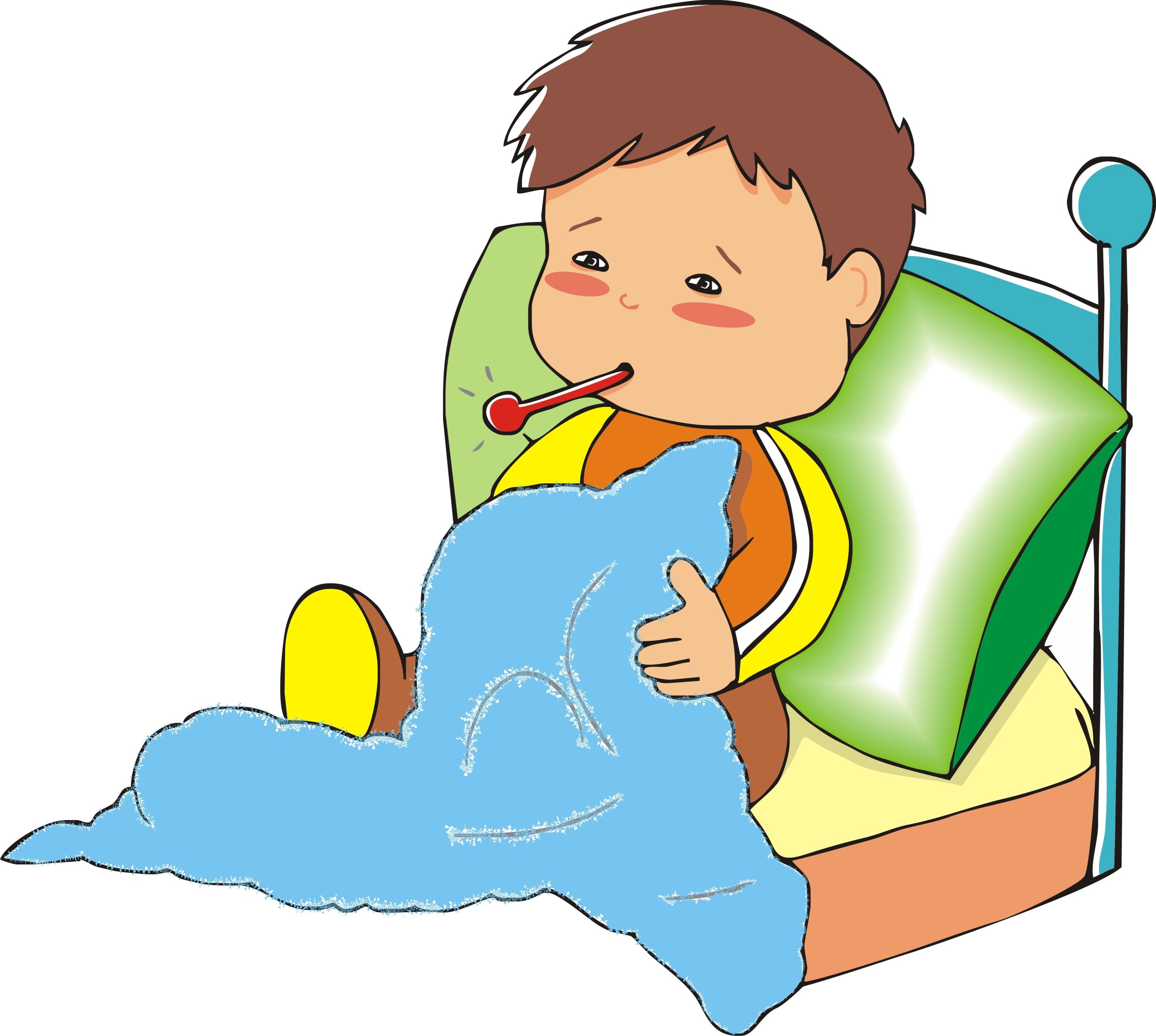
Fever/High Temperature

It is very common for children to have a fever from time to time. It is usually nothing to worry about and may suggest your child has an infection. At nursery if your child has a fever (38 degrees or above) we will call you to come and collect your child, we will immediately attempt to reduce your child's temperature by removing clothes, cool flannel, changing location to somewhere cooler. If we feel it necessary we may seek your permission to administer Calpol until you arrive to reduce the risk of febrile convulsion.

Click on the picture to read the NHS advise on child Fever/High Temperature.

Child Sickness

If your child is sick, we would urge you to keep them at home. It is important to stop the spread of infection but also our staff work on a ratio, when a child needs our full attention, we are not able to give our attention to the other children. It's important we are able to work to our ratio for the welfare and quality of care of our children.

Please click on the photo to see the exclusion table for schools and nursery.

Staff - First Aid Training

The vast majority of our staff our first aid trained. There will always be at least one trained member of staff in each room. First Aid certificates are renewed every 3 years

Bowel and Bladder Problems

Poo problems in childhood are really common – constipation alone affects a third of all children. Because we’re not very good at talking about these problems, we can feel that our child is the only one.

Click on the picture above to access ERIC, ERIC is a charity dedicated to supporting children and their families with Bowel and Bladder problems. There is also additional information the assist in potty training too!

Children's Tooth Care

It's important to register with a dentist as soon as your child's first tooth breaks through. At this point it is recommended that you brush your child's tooth/teeth every day.

Please click on the picture to see the NHS guidance on how to look after children's teeth.